In short: Four HOWO TX 6×4 371 hp tractor units shipped to a Lagos-based haulage fleet in August 2026, specified to couple with the 40ft skeleton chassis the fleet already runs, and to work the port-to-depot cycle rather than long-haul trunking.
A twelve-unit fleet adding four units
This order was not a first purchase. The buyer already runs a twelve-unit haulage fleet out of Lagos and was adding capacity against a route profile it knows precisely: port terminal to inland depot, loaded both ways where possible, several turns a shift.
That changes the specification conversation. A first-time buyer needs to be talked through axle configuration and chassis type; a fleet adding its thirteenth to sixteenth unit already knows its cycle time, its worst gate queue and the drivers who will be assigned. What it needs from a supplier is repeatability — the new units must couple to the existing chassis, take the same spare parts, and not introduce a second set of interfaces into the workshop.
Matching the tractor to the 40ft chassis already in the yard
The requirement that shaped this order was coupling compatibility, not headline horsepower — the units are 6×4 at 371 hp, which is a note in the spec sheet, not the difficult part. Four dimensions decide whether a new tractor actually works with chassis a fleet already owns:
- Fifth wheel height against the kingpin plate on the existing 40ft skeleton chassis, so the trailer rides level when loaded rather than nose-down or tail-high
- Air and electrical coupling positions, so a driver does not need adaptors or a second air line to swap between units
- Wheelbase and turning circle, which matter more at Apapa and Tin Can gate approaches than on the highway
- Landing leg clearance during coupling and uncoupling, which is where damage accumulates on a fleet doing multiple turns a day
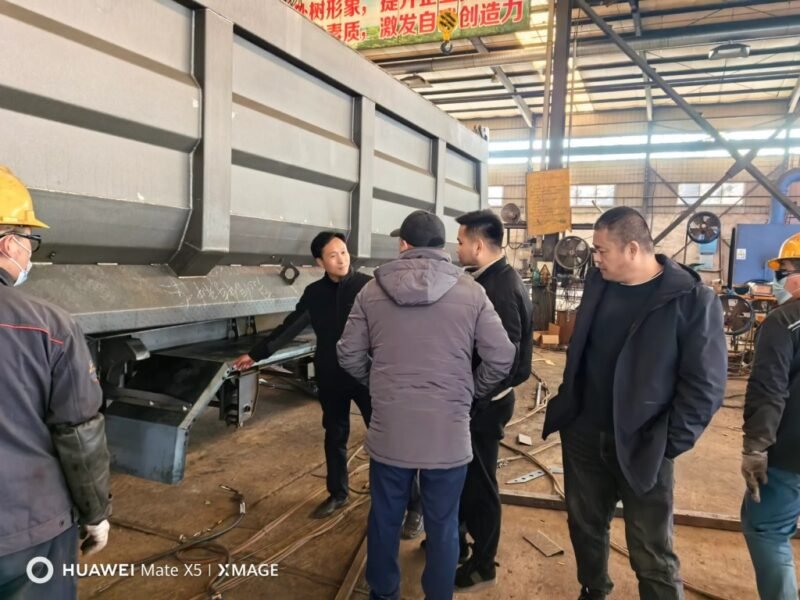
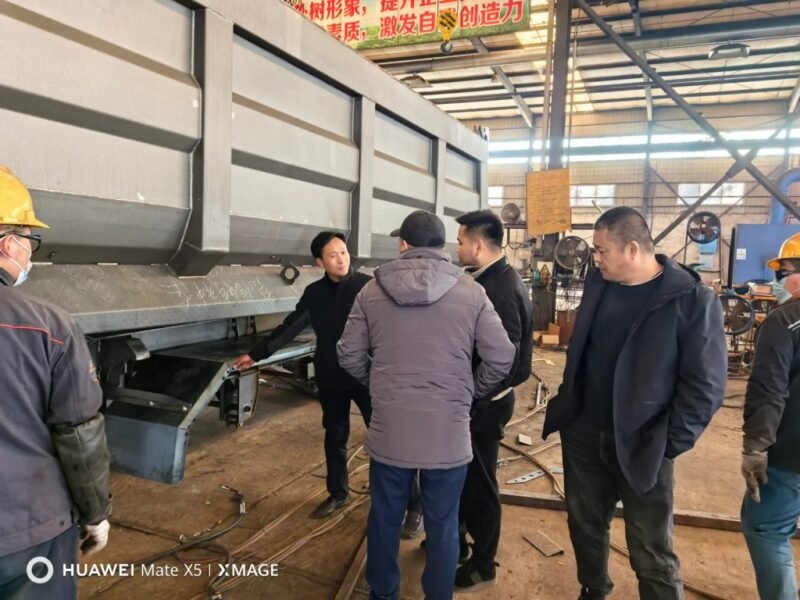
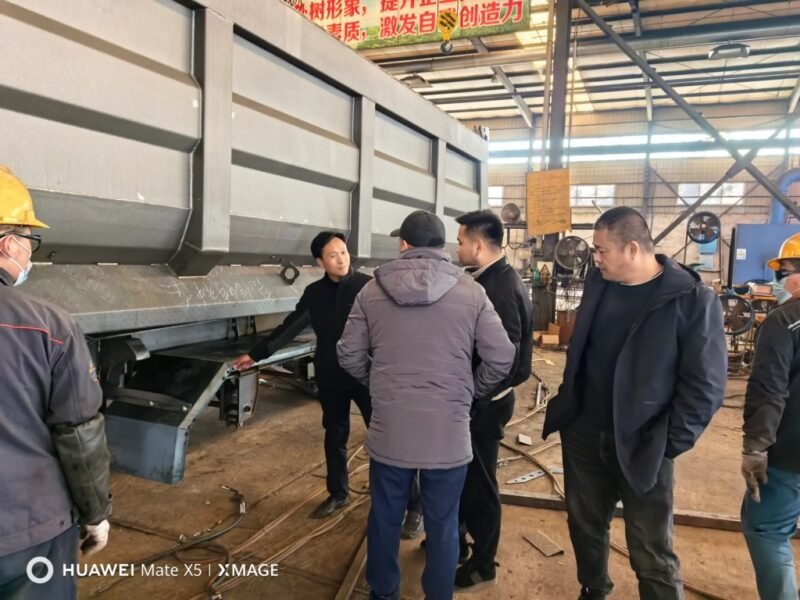
Settling these before production is what stops a delivery turning into a workshop problem. It is the same conversation we had with the Cameroonian delegation that test drove a tractor at our yard in May 2026 — they raised exactly these interfaces, plus driver fatigue on multi-day routes.
What was checked before the units were loaded
Every unit was checked against the customer’s coupling specification before loading, not against a catalogue default:
- Coupling test against the fifth wheel height the customer specified
- Air and electrical connection check, with the coupling positions recorded for the customer’s workshop
- Brake system function and light check
- Tyre pressure and torque values verified, with photographs sent before the container was sealed
The customer received the inspection photographs and the coupling figures before the vessel sailed, so the units could be matched to specific chassis on arrival rather than sorted out at the depot.
Key facts
- Four HOWO TX 6×4 371 hp tractor units shipped to Lagos, Nigeria, in August 2026
- Buyer operates an existing twelve-unit haulage fleet out of Lagos
- Units specified against the fleet’s existing 40ft skeleton chassis, not a catalogue default
- Coupling dimensions, air and electrical interfaces recorded and shared before shipment
What to take from this record
- If you are adding to an existing fleet, specify against the chassis you already own — coupling height first, horsepower second.
- Ask the supplier to record fifth wheel height, air and electrical coupling positions and landing leg clearance in writing before production starts.
- Ask for the pre-shipment inspection photographs and the coupling figures before the container was sealed, not after arrival.
FAQ
Can these tractors pull the 40ft skeleton chassis we already own?
That is what this order was specified around. Fifth wheel height, air and electrical coupling positions and landing leg clearance were agreed against the customer’s existing chassis before production, so the units couple without adaptors.
Why order only four units?
The buyer runs a twelve-unit fleet and was adding capacity on a route profile it already knows. Small batch orders suit fleets testing a new lane or replacing units one cycle at a time; pricing improves from five or ten units upward.
How long from order to shipment?
Production runs 15 working days for a single unit and about 30 days for a small batch, plus ocean transit to Lagos. We confirm the schedule against your port and quantity in the quotation.
Did these units go through SONCAP?
No. This batch shipped without a SONCAP certificate arranged by us — the import file sat with the buyer. Vehicles entering Nigeria normally need a Product Certificate before Form M and a SONCAP Certificate before PAAR, so confirm your own route with your agent before ordering. If you want the specification sheet, test reports and production photographs an inspection firm asks for, raise it at quotation stage and we will prepare them — the certificate itself is issued to the importer, not to us. See our Nigeria import requirements guide