Short answer: The conformity check happens before the trailer ships, not at Mombasa. You lodge the Import Declaration Form with KRA, send it to the supplier, the supplier books the inspection with an appointed conformity assessment agent, and the Certificate of Conformity (CoC) travels with the shipping documents. Get the inspection file right at the factory and Mombasa becomes a paperwork exercise. Get it wrong and the container sits at the port while you argue.
What is the Certificate of Conformity, and why does KRA ask for it?
KRA’s import document list requires a Certificate of Conformity from the agent for regulated products, plus an Import Standards Mark where applicable. Kenya runs a pre-export verification of conformity (PVoC) programme: conformity is assessed in the country of supply, by agents appointed for that purpose, rather than by inspecting every consignment on arrival.
The logic is straightforward. A trailer is a welded steel structure with brakes, lights, axles and a coupling that has to survive African road conditions. Assessing it in Shandong, where the unit is still on the production floor and can be measured, is cheaper for everyone than assessing it after 40 days at sea.
Start with the exemption, because it probably applies to you. Under Legal Notice No. 78 of 28 April 2020, new motor vehicles and new mobile equipment are exempt from PVoC, provided the shipment carries a manufacturer’s warranty or a type approval certificate. KEBS clears those consignments on that document. So for a complete, new trailer the question is not “how do I pass PVoC” but “do I have the warranty or type approval certificate in the document pack”.
When PVoC does come back into play: if the trailer ships CKD or SKD and the consignment is declared as parts, automotive parts and spares fall inside PVoC scope. Kenya also has specific rules for unassembled motor vehicles and trailers (Tax Procedures (Unassembled Motor Vehicles and Trailers) Regulations, 2019). Same trailer, different declaration, different document — settle it with your agent before the container is packed.
When should the inspection be booked?
The sequence that works:
- Importer lodges the IDF with KRA, from the proforma invoice.
- Importer sends the IDF to the supplier. This is the step most first-time buyers miss.
- Supplier books the inspection with the appointed agent, against the IDF and the commercial documents.
- Inspection is carried out at the factory — physical check of the unit, documents reviewed, CoC issued.
- CoC ships with the documents, alongside the bill of lading, invoice, packing list and certificate of origin.
Because step 3 depends on step 2, the practical rule is: do not let the trailer leave the factory gate until the inspection is closed. A container that sails without a CoC cannot be fixed at sea.
What does the inspector actually check on a semi trailer?
An inspector is confirming that the unit matches the documents and the declared standard — not that the design is good. The file that answers the questions before they are asked:
| What is checked | What the supplier should provide |
|---|---|
| Identity | Chassis number / VIN, unit serial, photographs of the plate |
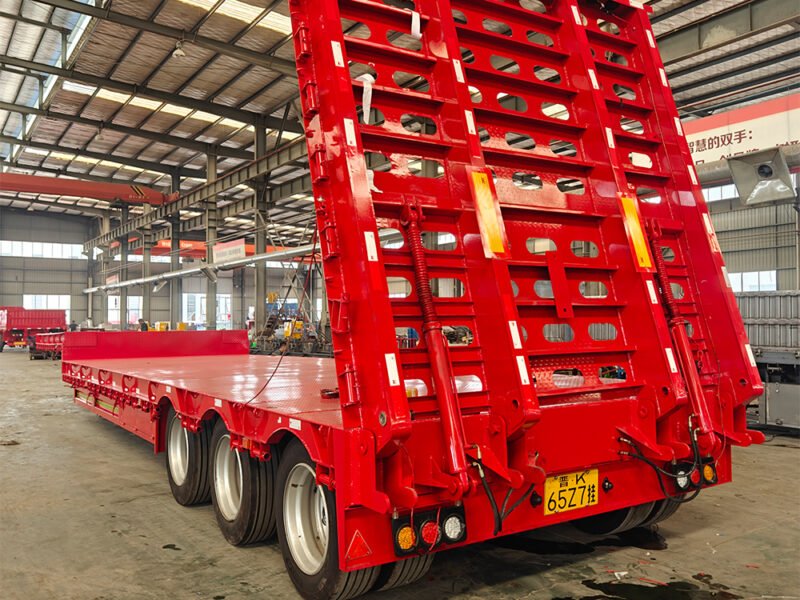
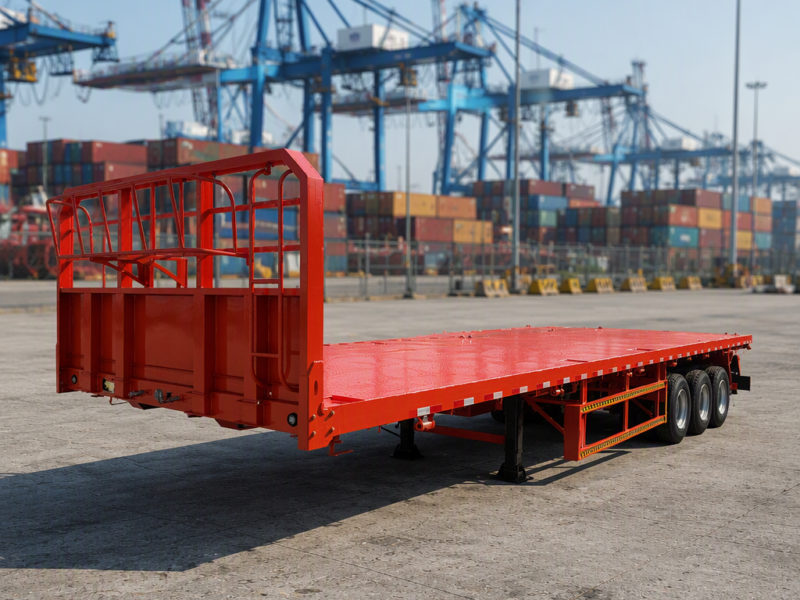
| Dimensions | Deck length and width, side wall height, axle spacing — matching the invoice and packing list |
| Axle and suspension spec | Axle brand and count (e.g. 2, 3 or 4 axles), mechanical or air suspension |
| Brake and lighting system | Specification sheet, and evidence the system is fitted as declared |
| Tyre and rim size | Size stated on the invoice (e.g. 12R22.5) and visible on the unit |
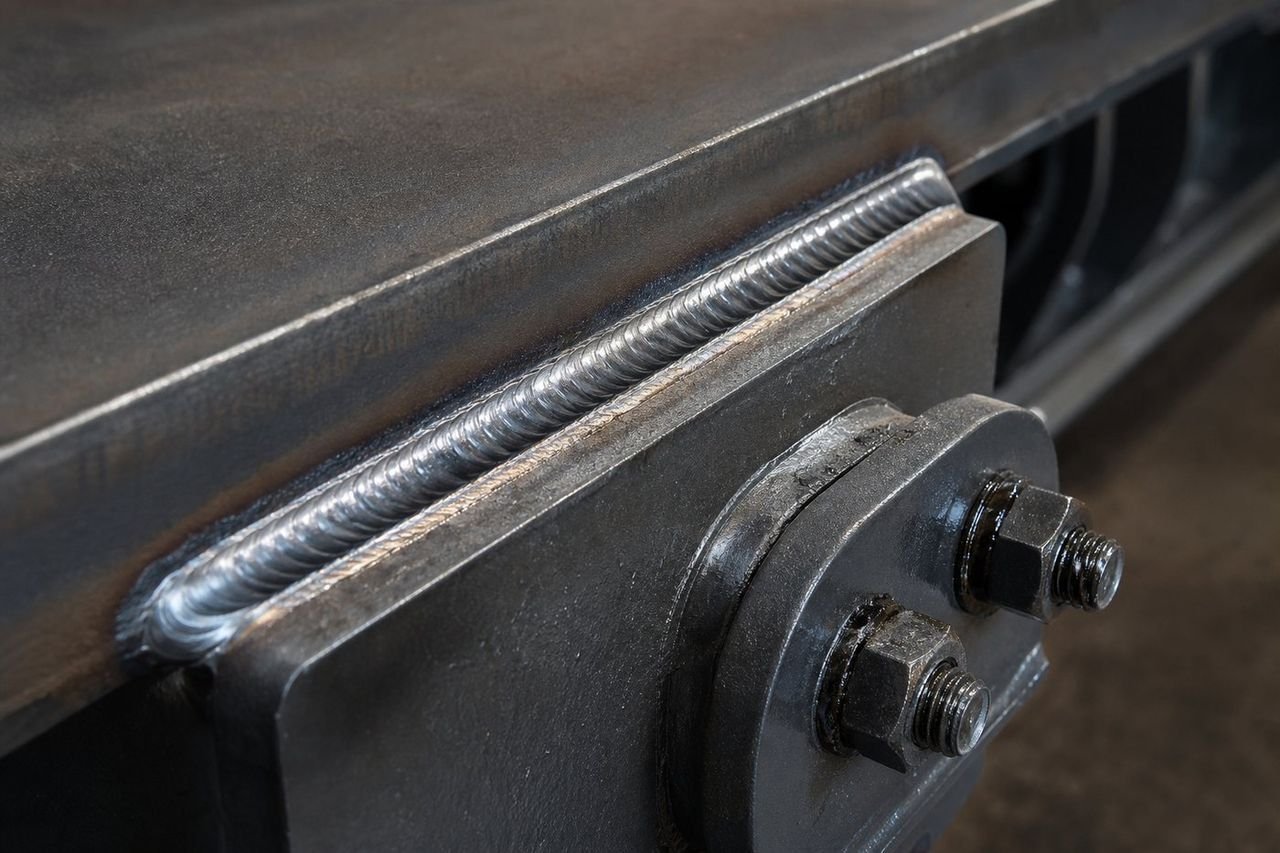
| Structure | Main beam section and plate thickness as declared; welding visible at stress points |
| Markings | Paint colour, logo and any required identification marks |
| Packing configuration | CKD/SKD layout inside the container, or one-piece loading plan |
The pattern is consistent: every failure is a mismatch, not a defect. The trailer is fine; the paperwork says something else.
What are the most common reasons a trailer consignment gets held up?
- Invoice and packing list disagree. Deck length on the invoice, different length on the packing list. Two documents, one truth — reconcile them before the inspection.
- The IDF never reached the supplier. Inspection cannot be booked against a document nobody sent.
- The unit changed after the documents were issued. A customer changes axle brand or side wall height late, the invoice is not reissued, and the inspected unit no longer matches the paper.
- No photographs of the sealed configuration. When the container is opened and the load does not look like the packing list, the argument starts from scratch.
- Model naming drift. The quotation says “3-axle lowbed 60T”; the invoice says “lowboy trailer”. Use one product name across quotation, invoice and packing list.
All five are prevented by one habit: issue the commercial invoice after the specification is frozen, and freeze the specification before production starts.
How does a manufacturer make this repeatable?
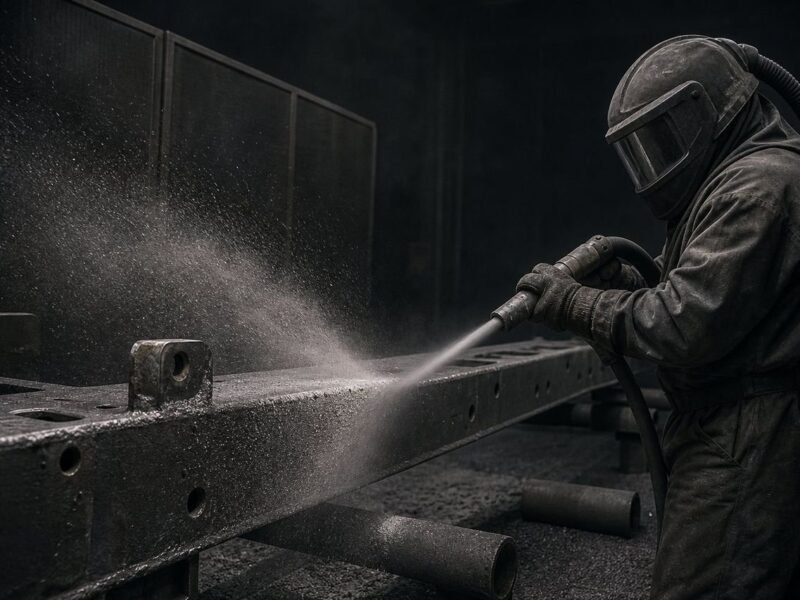
The exporters who clear Kenyan consignments without drama treat the inspection file as a production output, not an administrative task. At Shandong Enxin, every order is built against an approved specification sheet — axle brand and count, suspension, tyre size, main beam section, paint colour and markings — and the unit is photographed at cutting, welding, shot blasting, painting and final assembly, with the record sent to the buyer before the container is sealed. When an inspector asks why the deck is 12,500 mm, the answer is a dimension on the approved drawing, not a recollection.
That is also what a buyer should demand from any supplier, whichever factory they choose.
What happens if the CoC is missing on arrival?
The consignment is not automatically rejected — but it loses the presumption of conformity, which means destination inspection, additional cost and, most importantly, time. Port storage accrues while the file is assembled, and the delay lands on the buyer’s project schedule, not the seller’s.
The commercial consequence is worth stating plainly: a trailer that arrives three weeks late has usually cost more than the freight saving that made the deal attractive.
FAQ
Does every semi trailer need a CoC? Not necessarily — it depends on whether the product is in the regulated list for its HS line. Confirm the treatment of your model with KEBS or the appointed agent before production.
Can the inspection be done after the trailer arrives? The programme is designed to assess conformity before export. Arriving without it shifts you to destination inspection and its delays.
Who pays for the inspection? The programme is funded through fees charged on the consignment; the commercial arrangement between buyer and seller decides who bears it. Agree it in the contract, in writing.
Can I use my own inspection company instead? Third-party inspection (SGS, BV and similar) is useful for quality assurance and is welcomed by serious manufacturers — but it is not a substitute for the conformity certificate required for regulated products.
How long does the certificate take? It depends on the agent’s scheduling and on whether the file is complete on the first submission. The variable you control is document readiness, not the agent’s queue.
What if the specification changes after the certificate is issued? The certificate describes a specific unit. A material change means the paperwork no longer describes what is in the container — reopen the file before shipment.
Sources
- Kenya Revenue Authority, Importing and Exporting — document list including Certificate of Conformity and Import Standards Mark, and the IDF-first clearance sequence: https://www.kra.go.ke/business/companies-partnerships/companies-partnerships-pin-taxes/company-partnership-imports-exemptions
- East African Community Customs Management Act 2004, Section 34 — entry within 21 days of discharge
- Kenya Bureau of Standards, Destination Inspection — Legal Notice No. 78 of 2020 exemption for new vehicles and mobile equipment; used vehicle route (QISJ, KS 1515, Certificate of Roadworthiness): https://inspection.kebs.go.ke/destination-inspection/
Scope and fees are set by KEBS and can change. Confirm the requirement for your HS line before you book production.
Related guides: Kenya duty, VAT and Mombasa clearance steps · Ghana duty bands