What a car carrier trailer holds, and what actually changes the number
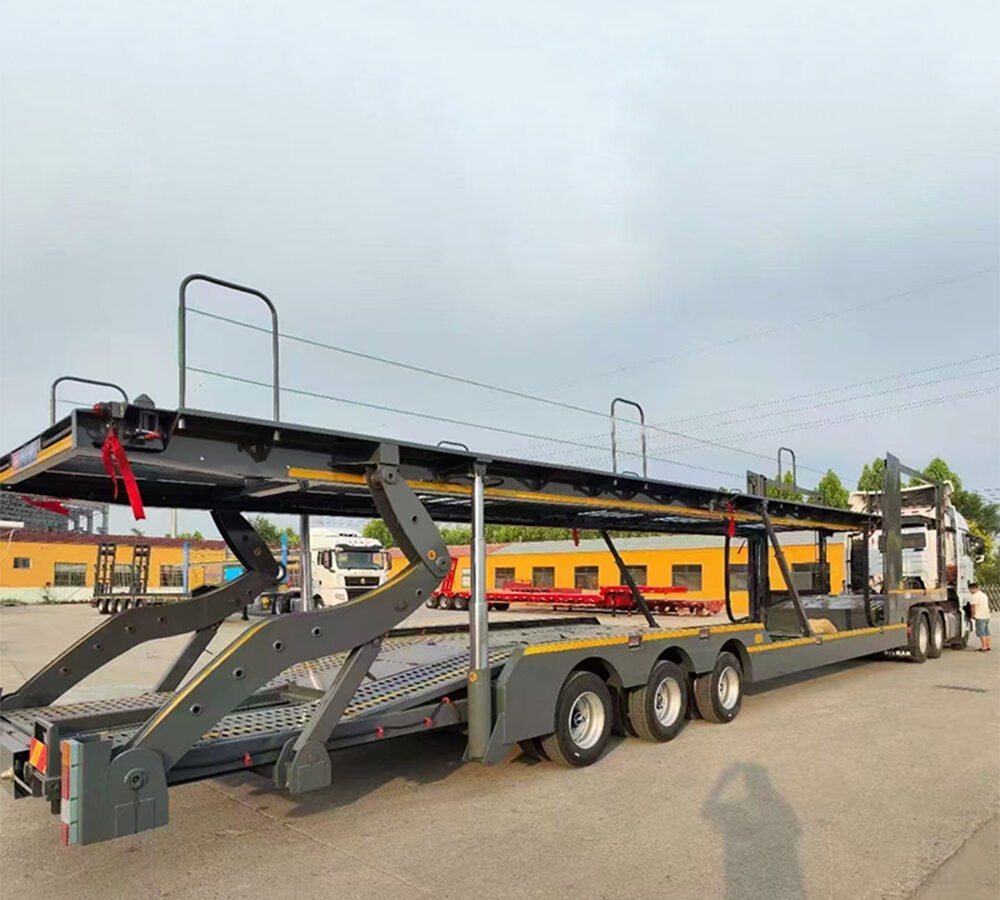
A double-deck car carrier trailer in our range carries 7 to 10 passenger cars. That is a range rather than a specification, because the count is decided by two things that differ between buyers: the size of the cars and the way the platform is arranged.
The model we build for this job is 15,180 mm long, 2,700 mm wide and 3,800 mm tall, with a loading capacity of 20,000 to 25,000 kg. Those figures set the outer envelope. Everything inside it is configured to your fleet.
Why the upper deck lifts, and why that is not a detail
The platform is double deck and the upper level is hydraulic: four lifting hydro-cylinders raise it, and vehicles are driven on at both levels instead of being craned in.
In practice this is what decides whether a low-clearance car can be loaded at all. With the deck down, the loading angle is set by the ramp rather than fixed by the trailer geometry, so a saloon with a deep front bumper and a low splitter clears the same trailer as a compact hatchback. It is also what lets the upper deck be dropped onto the load once the lower level is full, which is how the top of the range is actually reached rather than guessed at.
The four things that move the number
| Factor | How it moves the count |
|---|---|
| Size and wheelbase of the cars | The single largest factor. A fleet of compact and mid-size cars reaches the top of the range; a fleet of full-size SUVs or vans does not, on the same deck length. |
| How the cars are loaded | Driving on at both levels with the lifting deck fits more cars than any method that requires craning, or rolling the top level on at one fixed angle. |
| Body style | Does not change the count. Skeleton, semi-closed and fully closed bodies all carry the same platform; the difference is protection and whether the return leg can take other cargo. |
| Axle count and tyres | Sets the payload ceiling of 20,000 to 25,000 kg. On a dense load, weight can cap the count before space does. |
Skeleton, semi-closed or fully closed
The platform is the same in all three; the body around it is not.
- Skeleton: posts and rails only. Lowest tare, and the cheapest way to move cars if the trailer never carries anything else.
- Semi-closed: tarpaulin on both sides. Protects the cars from road grit in transit and leaves the deck usable for other cargo on the return leg.
- Fully closed: maximum protection, most tare.
Return-leg work is worth deciding early. A car carrier that runs loaded one way and empty the other earns differently from one that never carries anything but cars.
Axles, suspension and the road you actually run
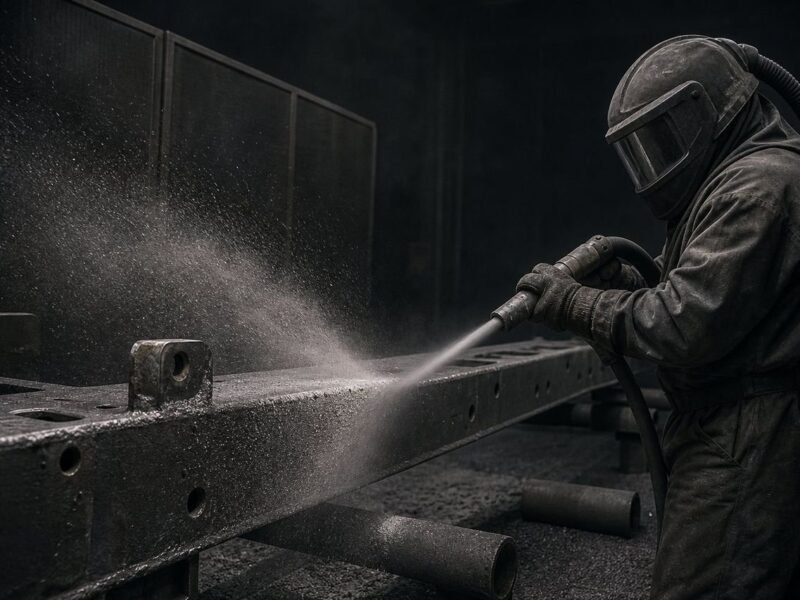
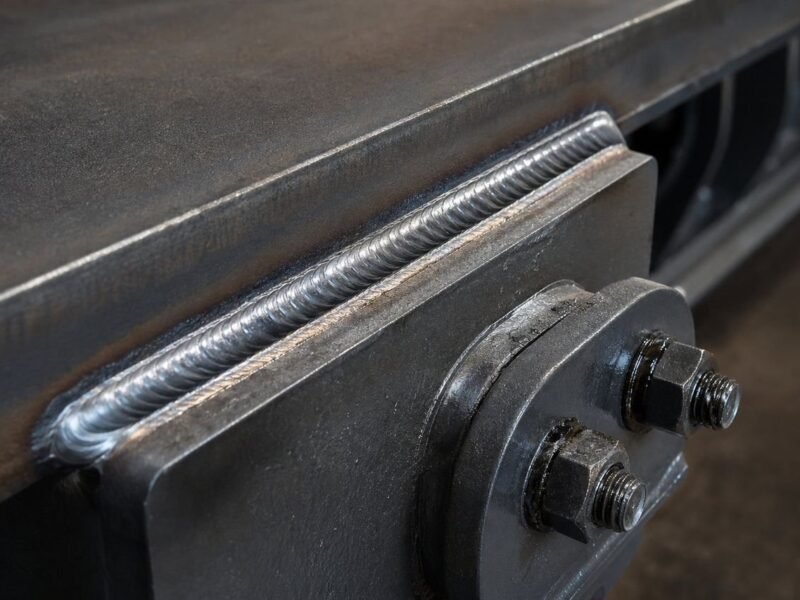
The trailer takes two, three or four axles with FUWA or BPW axle sets, on mechanical or air suspension. The frame is a 350 mm I-beam with a 10 mm top flange, welded by automatic submerged arc and CO2 gas shielded welding, then shot blasted to relieve welding stress and improve paint adhesion.
Which of those you need is set by the law where you operate, not by the trailer. Axle count follows the permitted gross weight and the road surface you run on, and suspension choice follows the same question. The trade-offs are set out in BPW versus FUWA axles and in semi trailer suspension types compared.
Tyres are 11.00R22.5 as standard, with 12R22.5 and 315/385 available. The traction pin is JOST 3.5 in (90 mm) and the landing gear is JOST 25 t. Braking is dual line air with T30/30 spring brake chambers, and the electrical system is a POWAY 24V 7-pin ISO1185 socket with ISO tail lamps.
What we need before quoting a layout
The platform layout is built to order, and it is the part of the quotation that differs most between buyers. Send us three things and we can confirm it:
- The vehicle models you will carry, not only the number. A mixed fleet and a single-model fleet of the same count are different trailers.
- How many cars per trip, and whether that number is a firm requirement or an average.
- Your route and destination port, which decide the axle configuration and the shipping method.
We have loaded Volkswagen, Audi, Honda, Hyundai, Toyota and Buick vehicles on this model, among others. If you are new to importing, the sequence is set out in the five steps to ordering a semi trailer.
Shipping a 15,180 mm unit
At 15,180 mm long and 3,800 mm tall this trailer does not travel in a standard container as a complete unit, so the shipping method is quoted with the order rather than assumed. The choice between shipping knocked down and shipping assembled is set out in CKD versus fully assembled shipping, and the container arithmetic for the models that do fit in a box is in how many semi trailers fit in a 40ft container.
FAQ
How many cars fit on a double-deck car carrier trailer?
Seven to ten passenger cars on our 15,180 mm model. The top of the range assumes compact and mid-size cars loaded on both levels; a fleet of large SUVs will land lower.
Can the trailer carry a mix of car sizes?
Yes, which is why we ask for the models rather than only a count before quoting a layout.
Is the upper deck hydraulic?
Yes. Four lifting hydro-cylinders raise the upper platform so vehicles can be driven on at both levels.
Which axle configuration should I choose?
It follows the permitted gross weight where you operate and your route, within the 20,000 to 25,000 kg loading capacity. Two, three and four axle versions are all built, with FUWA or BPW axle sets.
Key facts
Overall size 15,180 x 2,700 x 3,800 mm. Capacity seven to ten passenger cars. Loading capacity 20,000 to 25,000 kg. Double deck with a hydraulic lifting upper platform and four lifting hydro-cylinders. Main frame 350 mm I-beam with a 10 mm top flange. Two, three or four FUWA or BPW axles, mechanical or air suspension. JOST 3.5 in traction pin, JOST 25 t landing gear, POWAY 24V 7-pin ISO1185 electrics. 11.00R22.5 tyres as standard. Skeleton, semi-closed or fully closed bodies. Lead time about 30 days for one unit, 40 days for ten or more.
Related: the rest of the car carrier range, BPW versus FUWA axles, and how trailers are packed for shipping.